The Magic of Reading Together: Why Storytime Matters
Discover how sharing stories with your child can boost their brain development, spark imagination, and create lasting bonds that go beyond bedtime.
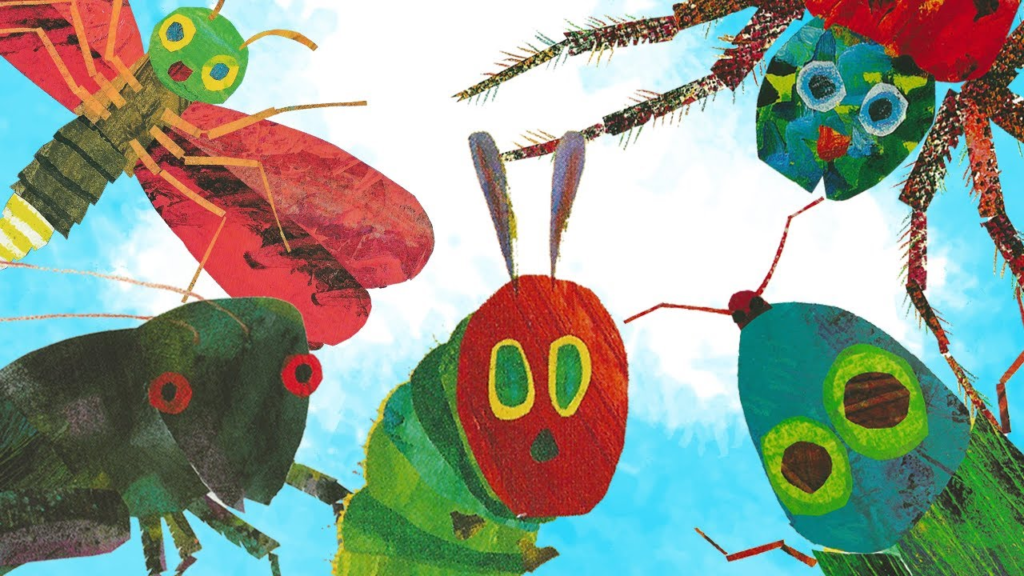
Every parent knows the cozy magic of curling up with a good book and a little one on your lap. But did you know that reading aloud to children is one of the single most powerful things you can do for their developing brain? In this article, we’ll explore the science behind storytime, share practical tips, and give you free resources to make every reading session count.
Why Reading Aloud Is a Superpower 🦸♀️
Research shows that children who are read to regularly from an early age develop stronger language skills, a wider vocabulary, and better comprehension. But the benefits go far beyond academics — storytime builds emotional intelligence, nurtures curiosity, and helps children understand the world around them.
According to recent studies in early childhood development, the first five years are a critical window for brain growth. During this time, neural connections form at an astonishing rate, and the experiences a child has — including being read to — directly shape the architecture of their brain.
💡 Pro Tip
Don't just read the words — ask open-ended questions! Try "What do you think will happen next?" or "How do you think the bear is feeling?" This turns passive listening into active learning.
Reading together creates powerful bonding moments that children carry with them into adulthood.
How to Make Storytime Unforgettable ✨
You don’t need to be a professional storyteller to make reading magical. With a few simple techniques, you can turn any book into an immersive experience that your child will beg for every night.
- Use different voices for each character. Even silly voices count — the more animated you are, the more engaged your child will be. Don’t worry about being perfect; kids love when grown-ups are playful.
- Let your child hold the book and turn pages. This gives them a sense of ownership and keeps their hands (and attention) engaged with the story.
- Pause at exciting moments. Build suspense! A well-timed “And then…” followed by a dramatic pause will have your little one on the edge of their seat.
- Connect stories to real life. If you’re reading about a trip to the beach, talk about your family’s own beach adventures. This deepens understanding and makes stories personally meaningful.

Reading at Every Age
It’s never too early — or too late — to start reading together. Babies benefit from hearing the rhythm of your voice, toddlers love pointing at pictures and naming things, and school-age children develop critical thinking through more complex narratives.
The key is consistency: even 15 minutes a day can make a tremendous difference.
Choosing the Right Books
Not all books are created equal when it comes to engaging young readers. Here’s a quick guide to finding the perfect match for different age groups:
| Age Group | Book Type | What To Look For |
|---|---|---|
| 0-2 years | Board books | High-contrast images, textures, simple repetition |
| 2–4 years | Picture books | Rhyming text, expressive characters, interactive elements |
| 4–6 years | Story books | Longer narratives, moral lessons, diverse characters |
| 6–8 years | Chapter books | Cliffhangers, humor, relatable challenges |
A Word About Digital vs. Print
Sometimes it helps to see these techniques in practice. Watch this short clip to see how animated storytelling can bring words to life — and how you can apply the same energy at home.
Animated storytelling brings characters to life and keeps children engaged from the first page to the last.
⚠️ Screen Time Reminder
For children under 2, the American Academy of Pediatrics recommends avoiding screen-based media. For ages 2–5, limit digital storytime to high-quality, interactive content — and always watch together!
📥 Free Download
Discover how sharing stories with your child can boost their brain development, spark imagination, and create lasting bonds that go beyond bedtime.
Reading Log Worksheet
📥 DownloadStory Starter Cards
📥 DownloadStorytime Colouring Pages
📥 DownloadGetting Started Today 🚀
The best time to start reading with your child was the day they were born. The second best time is right now. Here’s your simple action plan:
- Pick one book — it can be anything your child shows interest in. Picture books, board books, even comic strips work great.
- Set a daily time — bedtime is classic, but morning reading or after-lunch reading works just as well. Consistency matters more than timing.
- Make it interactive — use the tips from this article to turn passive reading into an adventure. Ask questions, use voices, and let your child lead.