Exploring 🦠 Do Not Lick This Book! by Idan Ben-Barak
Meet Min the microbe and discover how extraordinary everyday things look up close—with playful illustrations by Julian Frost and science activities to try together.
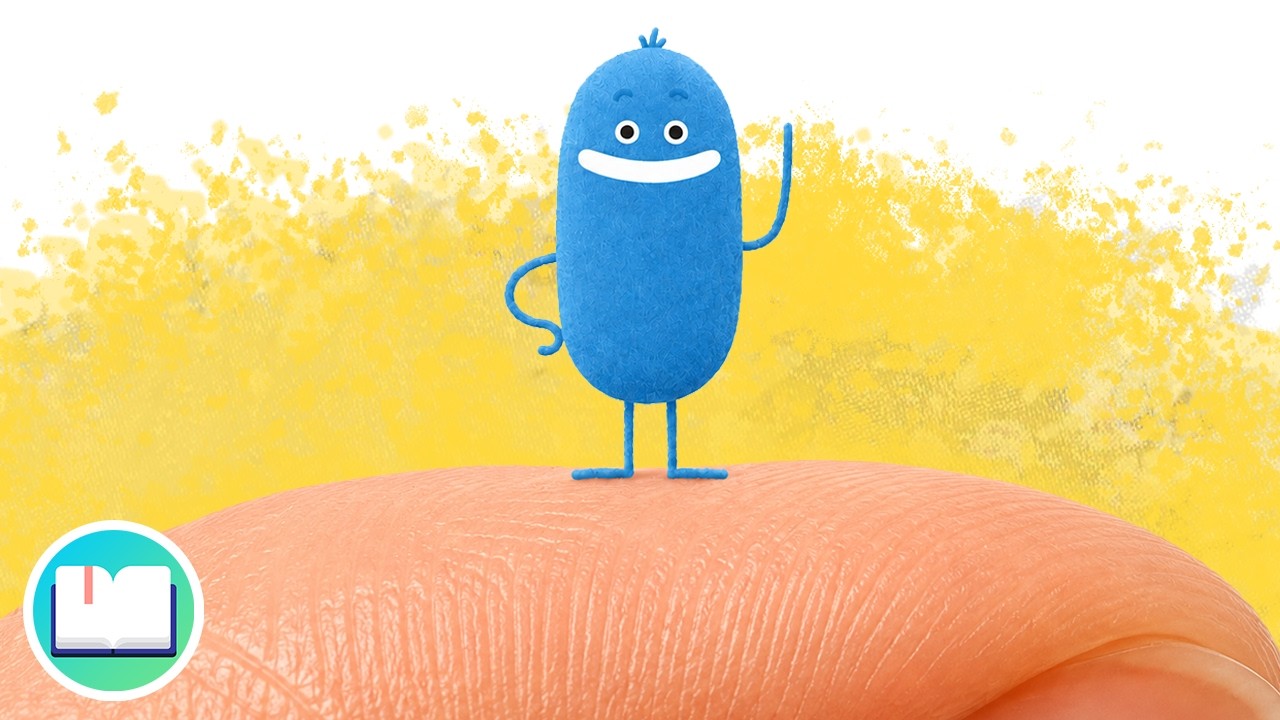
A tooth can look like a landscape, and a sweater can become a world to explore! Do Not Lick This Book!, written by Idan Ben-Barak and illustrated by Julian Frost, invites curious children to meet Min the microbe. Gather your little scientists for a playful look at things too small to see with our eyes alone. These reading prompts and activities are aimed at ages 5–7, with adult support.
📖 Read Along at Home
This is an affiliate link. MovingStories may earn a commission if you buy through it, at no extra cost to you.
Get it on Amazon
💡 Microbe Masterpieces!
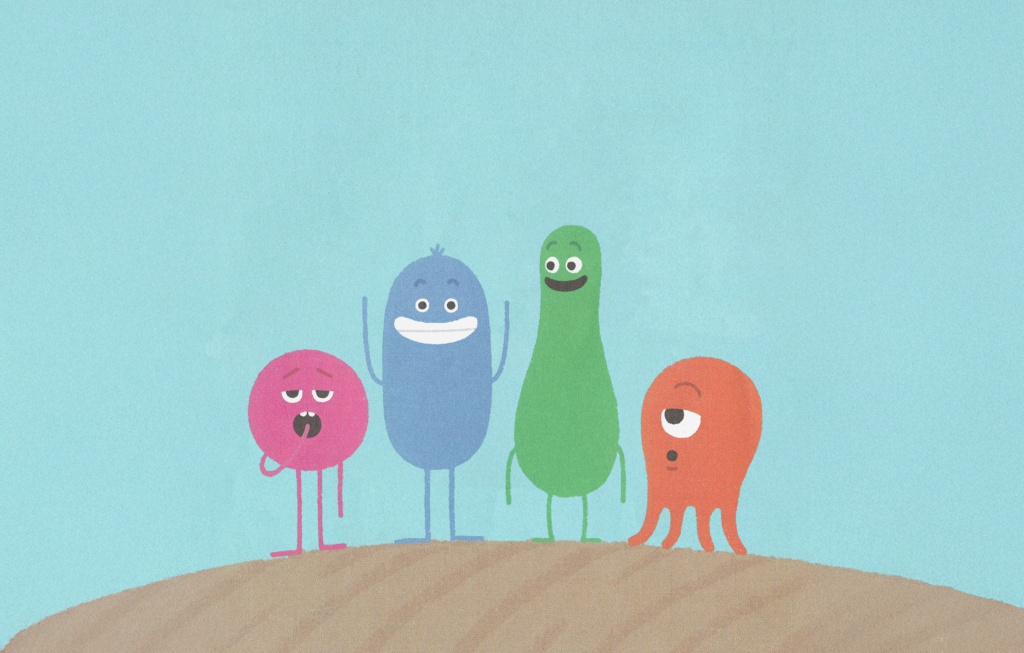
Use crayons or age-appropriate washable paint to invent a colourful microbe character. Give it a name, then talk about which parts are imaginary: real microbes do not have cartoon faces! Supervise art materials and keep them away from eyes and mouths.
About the Story
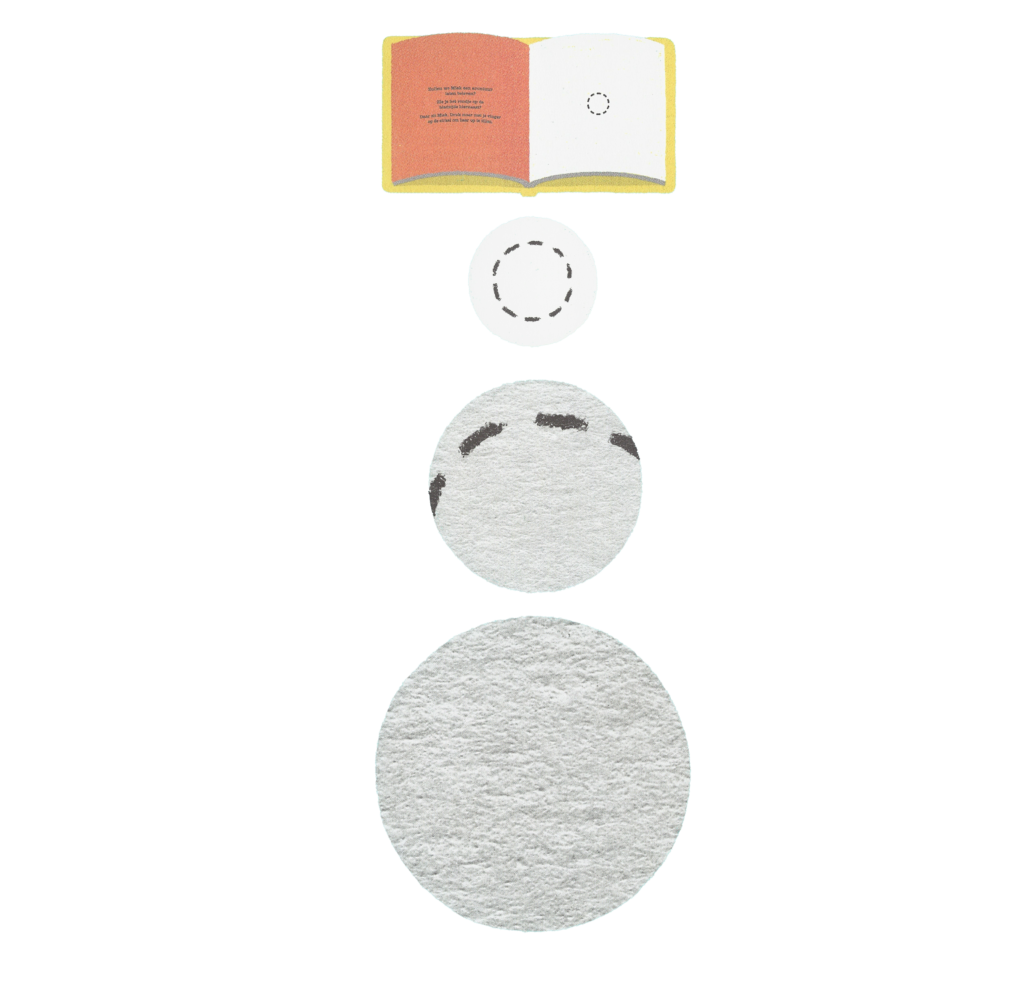
Min is a tiny microbe whose journey takes readers across surprisingly familiar places, including a tooth and fabric. Magnified images reveal textures we would normally miss, while cartoon characters make the microscopic world approachable. The contrast between an everyday object and its close-up view is an invitation to stop, look, and ask questions.
The book’s interactive prompts ask readers to imagine picking up and moving Min. Explain that this is pretend play—not a way to see or identify actual microbes on a finger. Try asking, “What looks different close up?” and “Which parts of this picture are cartoons?” Enjoy the silliness while helping your child distinguish observation from imagination. And yes, we recommend not licking the book!
Themes & Lessons
Microbiology: Microbes are tiny organisms, many of which are harmless or helpful. Some can make us ill, but “microbe” does not automatically mean “harmful germ.” The book offers a starting point for exploring this unseen world without making children afraid of everything they touch.
Hygiene: We cannot tell whether a surface has harmful germs simply by looking at it. Instead of guessing which object is the “dirtiest,” practise useful habits such as washing hands before eating and after using the toilet. Ask, “When do we need to wash our hands?”
Interactivity and curiosity: Pointing, predicting, and talking can make reading a shared investigation. Ask, “What would you like to look at more closely?” An ordinary magnifying glass reveals textures, but will not show most individual microbes. It is fine to say, “We would need different equipment to find that out.”
For Parents – Activity Ideas!
- Paint-Print Transfer: Materials: age-appropriate washable finger paint and paper. Time: 5–10 minutes. Following the paint label, help your child make a fingerprint, then a few more without adding paint. Notice how contact leaves traces. Explain that paint models transfer: it is not a microbe and does not test whether hands are germ-free. Use a stamp instead if skin contact is unsuitable. Supervise, keep paint away from eyes and mouths, and wash hands afterwards. Learning goal: understand what a simple model can—and cannot—show.
- Close-Up Detectives: Materials: clean paper, fabric, a leaf, and an optional child-safe magnifier. Time: 10 minutes. Look normally, then more closely, and draw a newly noticed detail. Ask, “What did you see that you missed before?” Explain that this reveals texture, not whether an object contains harmful germs. Keep materials out of mouths and wash hands after handling outdoor items. Learning goal: describe an observation and compare views.
- Handwashing Helpers: Materials: soap, clean running water, and a clean drying method. Time: a few minutes. Wet hands, lather, scrub all surfaces for at least 20 seconds, rinse, and dry. Practise cleaning between fingers and around nails. Water may be warm or cold; avoid water hot enough to burn. Learning goal: follow a useful routine, not compare water temperatures. See the CDC’s handwashing guidance. No mould-growing or microbial-culture experiment is needed.
For Teachers
Use Min’s journey to practise separating “I observed” from “I imagined.” For ages 5–7, an achievable objective is to describe one visible detail and explain that cartoon microbes are representations. Read a section, examine a clean textured object, and invite children to draw, dictate, or discuss their observations. Check understanding with “What did you really see, and what did you invent?” Use prepared educational slides if suitable microscopes are available; do not ask children to grow unknown microbes. A bread-mould experiment is not a reliable test of handwashing effectiveness.
Lesson Plan Ideas
| Format | Activity | Description |
|---|---|---|
| Small Groups | Texture Detectives | 10–15 minutes. Provide clean paper and fabric with optional child-safe magnifiers. Children compare textures and sketch an observed detail. Ask each group to describe one difference. Explain that magnifiers show texture, not most individual microbes. |
| Independent | Microbe Character Art | 10 minutes. Use crayons and paper to invent a cartoon microbe. Children label or dictate which features are imaginary. Offer drawing or verbal description as alternatives. The goal is to distinguish a representation from a scientific observation. |
| Whole Class | Story Time Scientists | 10 minutes. Pause during reading to ask “What do you notice?” and “What do you wonder?” Record observations and questions separately. Let children point, speak, or draw. Finish by explaining that many microbes are harmless or helpful, while sensible hygiene remains important. |
Watch the Animated Story!
⚠️ Screen Time Reminder
If video fits your family's media plan, watch together and pause for questions. Follow with an offline drawing or observation activity. Shared reading with the physical book is an equally good way to explore Min's world—no screen required.

About the Author & Illustrator
Idan Ben-Barak is a science writer with a background in microbiology. In Do Not Lick This Book!, he introduces scientific ideas through humour and an invitation to explore familiar things from a new perspective.
Julian Frost is the book’s illustrator. His cartoon characters help make an unfamiliar microscopic world approachable. Talk with your child about how the playful characters and magnified images do different jobs: one invites imagination, while the other reveals details we would normally miss.
📖 Story Time Style
Theme: Learning & Education 📚 Style: Whimsical & Imaginative 🧚♀️ Ages: 5–7 years old 🧑🎓