

Exploring Click, Clack, Moo: Cows That Type
A noisy typewriter, some determined cows, and one very busy duck! Discover a funny farmyard story about speaking up, listening, and finding a way forward together.
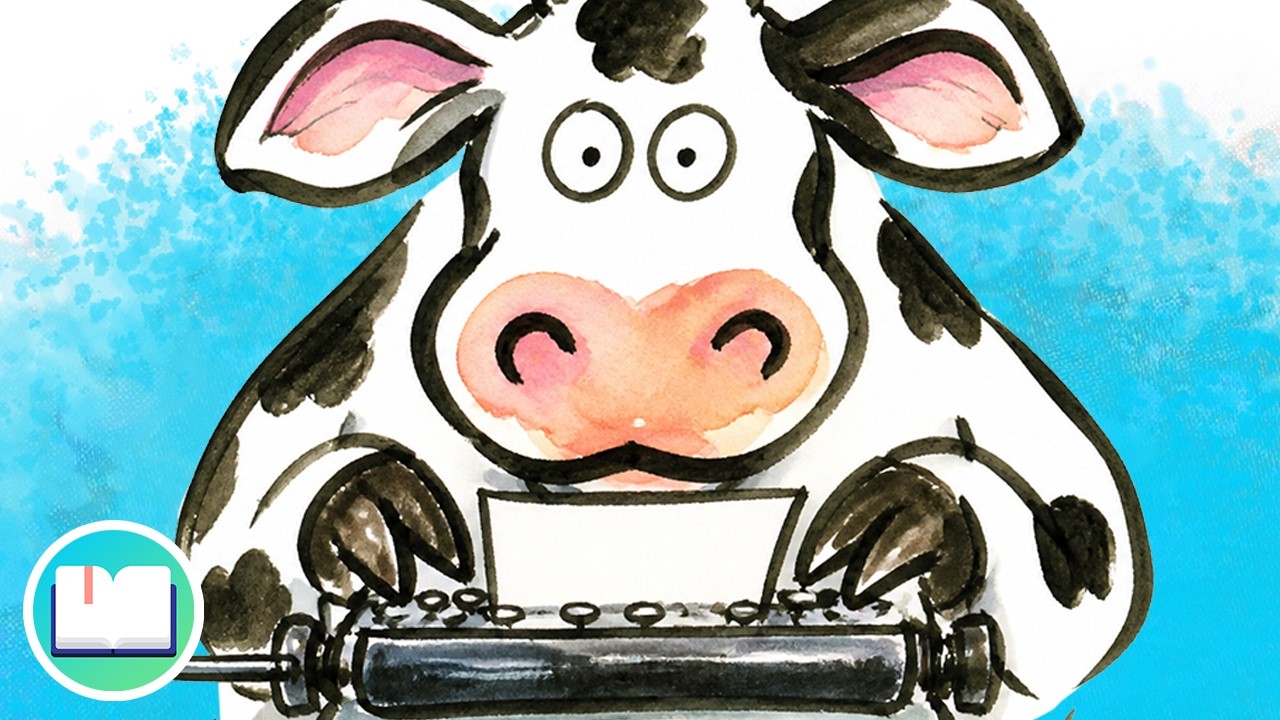
Something unusual is happening in Farmer Brown’s barn. Instead of simply mooing, his cows are typing! Click, Clack, Moo: Cows That Type, written by Doreen Cronin and illustrated by Betsy Lewin, turns an everyday farm into a wonderfully silly exchange of letters, requests, and surprises. Bring your best cow voice: this is a story that invites little listeners to join in.
These shared-reading ideas are designed for ages 2–4. Younger children can explore sounds and feelings; older preschoolers can help dictate a message or suggest a solution. There is no need to explain every twist—or expect independent writing—to enjoy the story together.
📖 Read Along at Home
This is an affiliate link. MovingStories may earn a commission if you buy through it, at no extra cost to you.
Find Click, Clack, Moo on Amazon
💡 Try This First: A Message from a Toy
Choose a cuddly toy and ask, ‘What would you like us to know?’ Let your child draw its request while you write the words underneath. Read the message back together. Scribbles, pictures, pointing, and spoken ideas all count as ways to communicate.
About the Story
Farmer Brown’s cows discover a typewriter and use it to ask for electric blankets because the barn is cold. When he refuses, they stop providing milk. The hens join the dispute, and Duck carries messages between the animals and the farmer.
An agreement seems possible—but Duck has ideas of his own! The repeated sounds and unexpected requests make a serious idea approachable: different people can want different things, and finding a solution starts with understanding the problem. Save the final surprise for your first read together.
Themes & Lessons
Speaking up about a need. The cows explain what is bothering them. Help your child connect this to familiar moments: “What could you say if you felt cold?” Practise naming a need without promising that every request will receive a yes.
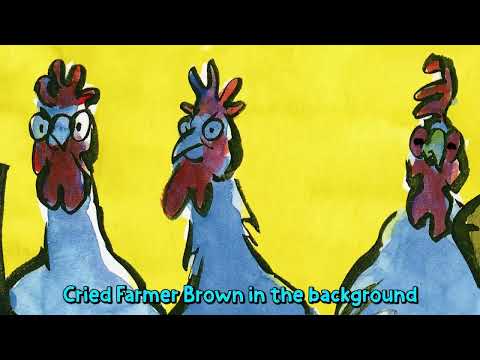
Listening to another point of view. Farmer Brown and the animals see the situation differently. Ask what each character might be thinking. Children do not have to agree with a character to notice how that character feels.
Cooperation and negotiation. The animals act together, while messages help move the disagreement towards an agreement. Explain negotiate simply: “Talk about what each person needs and try to find a plan.” Focus on communication, rather than treating the story as a rule that refusing to help always gets results.
Writing has a purpose. These letters do something: they carry a message to someone else. A child’s drawing or dictated sentence can do the same. Point out who is sending a note and who needs to read it.
Pause, Point & Talk
- Before reading: “What sounds might we hear on a farm?” Explain that a typewriter is a machine that puts letters on paper when you press its keys.
- When a message arrives: “Who sent this? What do they need?” Let younger children point or answer with one word.
- During the disagreement: “How might Farmer Brown feel? How might the cows feel?” Accept different ideas and look back at the pictures together.
- Before the ending: “What do you think Duck will do?” A prediction is an idea, not a test.
- After reading: “If our toys could write us a letter, what would it say?”
Keep the story moving: choose one or two questions, not all of them. On a first read, laughter and listening may be enough. Return to the questions when your child wants another go.
For Parents — Activity Ideas!
- Open a Farmyard Post Office
You need: paper, chunky crayons, a box, and toy animals or animal drawings. Time: 5–10 minutes.
Make the box a postbox. Your child chooses an animal and draws something it needs; you write down their words and read them back. Deliver the message and make a friendly reply. For a two-year-old, naming the animal and choosing a picture is enough. For an older preschooler, ask, “Who is your letter for?” Practises: expressing an idea and noticing that print carries meaning. - Tap, Tap, Moo!
You need: hands and a tabletop—or simply your knees. Time: 3–5 minutes.
Tap twice, then make an animal sound. Let your child copy the pattern before becoming the leader. Try a quiet cow, a surprised hen, or a sleepy duck. Offer gestures instead of sounds if that suits your child, and keep the volume comfortable. Practises: listening, rhythm, imitation, and taking turns. - Can We Make a Plan?
You need: two cuddly toys and a small ordinary fabric blanket. Time: 5–10 minutes.
Pretend that both toys want a cosy spot. Ask your child to suggest a plan: sit together, take turns, or find another blanket. Act out their idea and ask, “Does this help both toys?” Keep it playful, with no single required answer. Use an ordinary toy blanket, not an electric one, and supervise play. Practises: considering two needs and trying a solution.
For Teachers
Use the story as a playful introduction to purposeful mark-making, listening, and social problem-solving. A manageable preschool objective is: communicate one character’s need using speech, a gesture, a drawing, or a dictated message.
Model the process aloud: “The cow has something to say. I’ll write the message so someone else can read it.” Invite contributions in children’s home languages and offer picture choices. Older children can help compose a reply; younger children can deliver a note or identify the animal. Avoid turning handwriting or speaking in front of the group into a requirement.
Lesson Plan Ideas
| Format | Activity | What to do and notice |
|---|---|---|
| Whole group · 5 minutes | Farmyard Sound Circle | Model a two-tap pattern followed by an animal sound. Invite children to join with sounds or gestures. Notice who can anticipate the repeated pattern; participation matters more than precision. |
| Small group · 10 minutes | A Letter from the Barn | Provide paper, crayons, and animal pictures. Children choose an animal and dictate or draw a request. Read it back and ask who should receive it. |
| Supported individual play · 5–10 minutes | Draw a Helpful Plan | Invite children to draw something that would help a story character. Ask them to explain or point to their idea. Scribe their words without correcting their drawing. |
| Small group · 10 minutes | Duck the Messenger | Use large paper notes and animal pictures to retell the message exchanges. Invite children to choose roles. Finish by asking how the messages helped the characters understand one another. |
A quick check for understanding: “Show me someone who needs something. How could they tell another character?” Accept pointing, acting, drawing, or talking. Keep materials age-appropriate and avoid small loose props with children who mouth objects.
Watch the Animated Story!
Ready for some farmyard fun? Watch our Click, Clack, Moo read-aloud together, then choose one small offline activity. You can also visit the story’s video page.
🌿 Screen Time Reminder
If video fits your family’s media plan, watch together and pause when your child wants to talk. Follow with a drawing, a pretend letter, or a little farmyard role-play. Sharing the physical book is an equally lovely way to enjoy the story—no screen required.
About the Author & Illustrator
Doreen Cronin wrote Click, Clack, Moo: Cows That Type. Her matter-of-fact storytelling makes an impossible situation—cows using a typewriter—feel delightfully believable. Notice how the letters move the story forward without needing long explanations.
Betsy Lewin illustrated the book. Her expressive animal characters give children plenty to investigate beyond the words. On a reread, pause over a picture and ask, “What can we learn from the character’s face or body?” The words and pictures work together, while each offers something different.
📖 Story Time Style
Theme: Friendship & Cooperation 🤝 Style: Fun & Groovy 🕺 Suggested ages for these activities: 2–4 years 👦👧 Written by Doreen Cronin; illustrated by Betsy Lewin.
Keep the Conversation Going
Try Little Blue Truck for another farmyard story about helping one another, Too Many Carrots for sharing and making space for friends, and Room on the Broom for teamwork with a playful twist. All three share the Friendship & Cooperation theme with Click, Clack, Moo. For an extra message-making activity, visit our Secret Birthday Message guide.


